
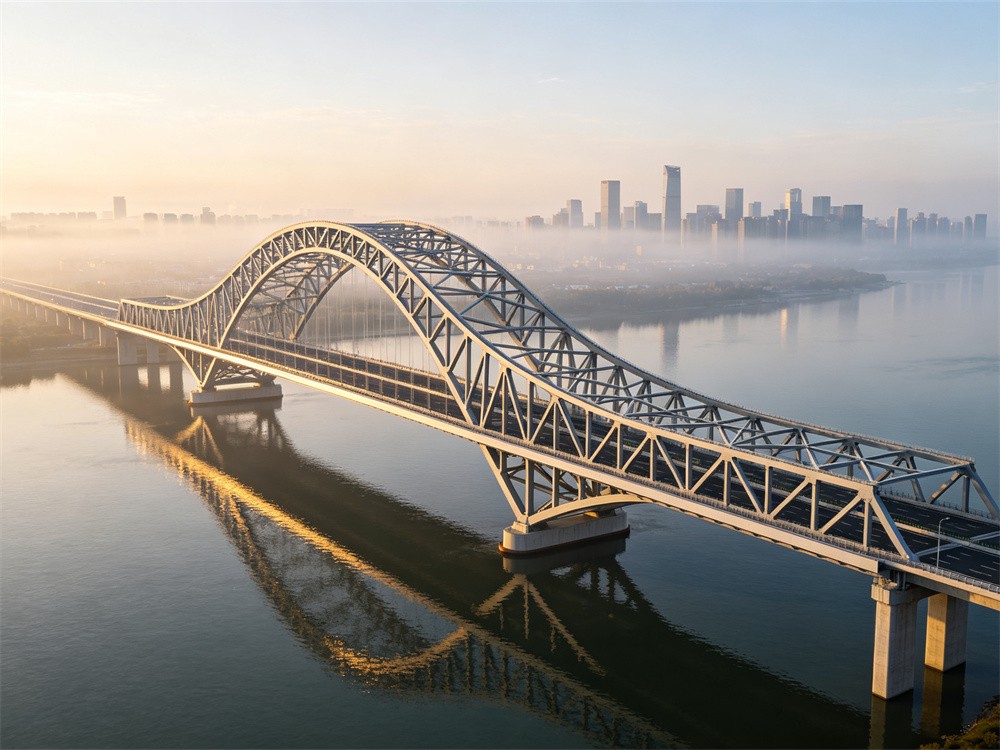
Steel Factory Building Construction: From Material Selection to Installation
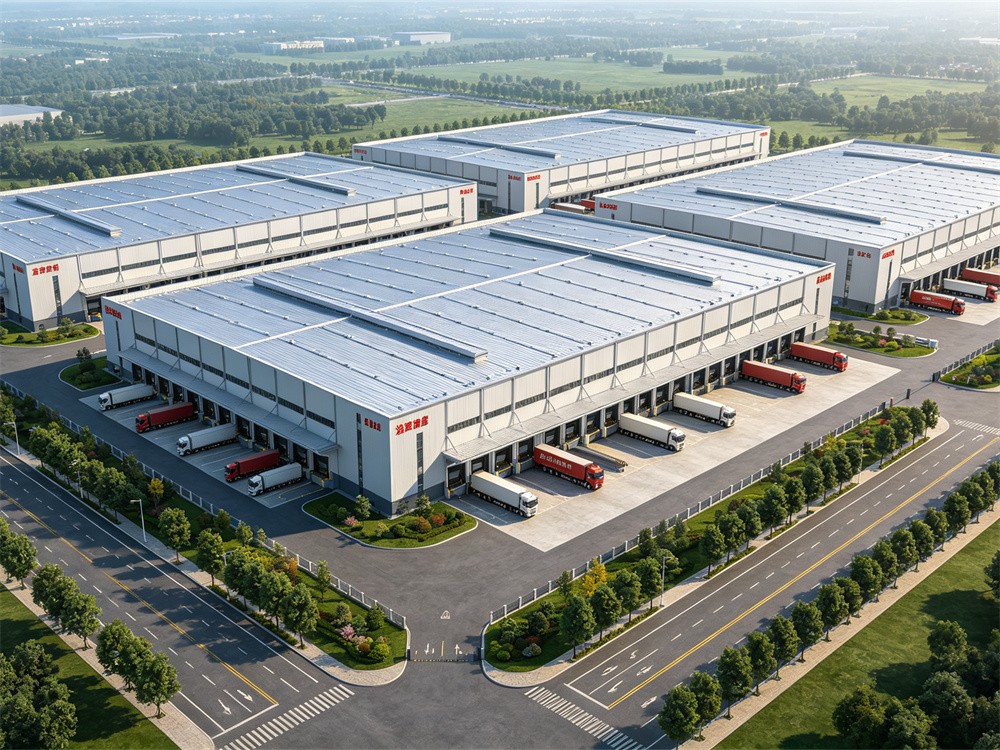
Industrial plants are the most widely used scenario for steel structure applications, and most manufacturing and warehousing logistics enterprises choose steel structure plants as their business premises. The construction of a factory involves multiple stages such as preliminary planning, selection of main materials, configuration of enclosure systems, construction control, and acceptance. Any omission in any stage can affect the safety and user experience of the factory's subsequent use. Many project owners focus only on the total cost when building new factories, ignoring material quality and construction process standards, which can lead to various problems such as water leakage, corrosion, and space not meeting production needs in the later stage.
The first step in carrying out the construction of steel structure factories is to make good preliminary planning. Determine the building span, floor height and load capacity based on the planned production activities. The heavy equipment production workshop has high requirements for ground load and beam column bearing capacity; Storage facilities place greater emphasis on floor height, roof load-bearing capacity, and ventilation and drainage; Production workshops with high temperature and corrosive gases require special protective treatment for steel and enclosure panels. Only by clarifying the production requirements in the early stage can the design unit output a suitable solution to avoid the waste of renovation caused by the mismatch of space and load with production operations after the factory is built.
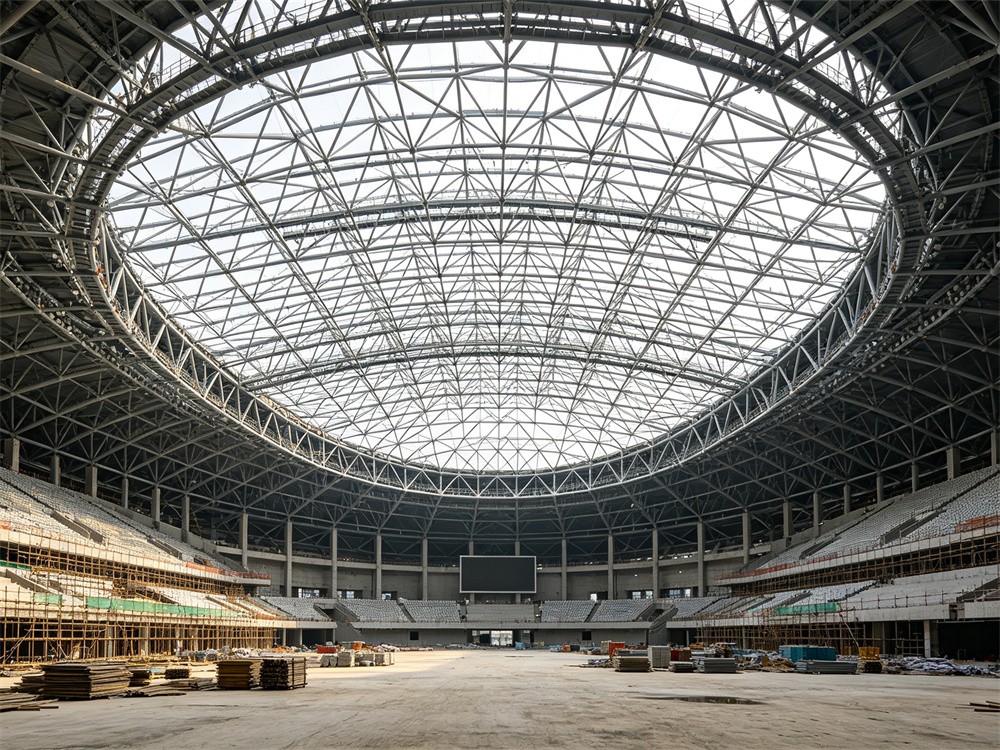
The main steel structure material is the skeleton of the factory building, which directly determines the overall safety level. H-shaped steel, I-beams, channel steel and other components are commonly used in factories, and the steel material and plate thickness must be strictly in accordance with the design drawings. The cutting, welding, shot blasting, and painting processes in the processing stage cannot be simplified. If the rust removal quality does not meet the standards, the coating is prone to peeling off in the later stage, and the steel quickly rusts, which poses a safety hazard. After the components are processed in the factory, protection measures should also be taken during transportation to prevent damage to the paint surface from collision.
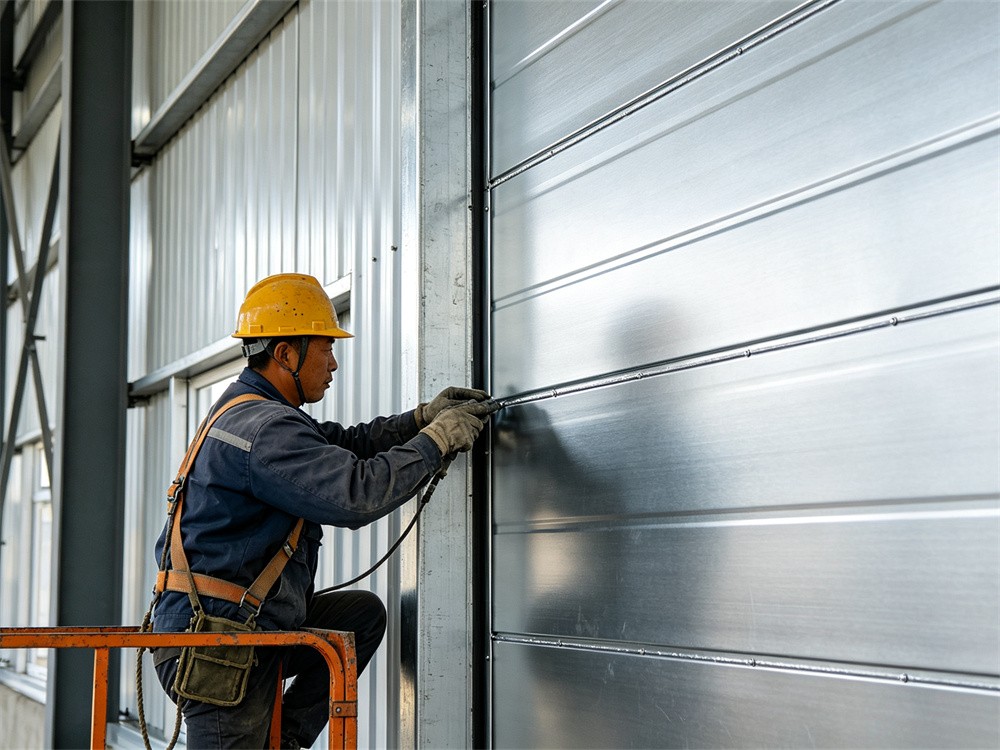
The enclosure system includes roofs, wall panels, doors and windows, and drainage systems. Many common water leakage problems in factories are mostly caused by the enclosure part. Particular attention should be paid to waterproofing the roof panels. The ridges, daylighting strips, and fan openings are high-risk areas for water leakage, and construction should be done well with waterproof sealing treatment. Choose panels based on the local climate, with priority given to wall panels with excellent anti-corrosion performance in rainy and humid areas in the south; High temperature production workshops need to be equipped with insulation layers with good thermal insulation performance to reduce the internal temperature of the factory and minimize energy consumption. Doors, windows, and downspout fittings should also match the overall plan to ensure smooth drainage and prevent rainwater from accumulating and eroding the building.
On site construction management cannot be ignored either. The construction of steel structure factory buildings belongs to high-altitude operations, and the technical level and project management ability of the construction team are crucial. Component hoisting, bolt tightening, and weld construction must be carried out in accordance with the specifications. After each process is completed, it should be inspected and confirmed to be qualified before proceeding to the next part. Many projects have tight schedules, blindly rushing to meet deadlines and omitting testing steps, which can leave long-term safety hazards. Some enterprise projects will also be implemented overseas. In addition to engineering technology, familiarity with local building regulations, customs logistics, and on-site construction coordination is also required, which places higher demands on the comprehensive capabilities of the enterprise.
Guangdong Hongsheng Steel Structure Group is a large-scale enterprise engaged in the production of steel structural materials and construction of steel structures, with subsidiaries both domestically and internationally. The group has its own steel structure production base, which can independently complete the processing and manufacturing of various steel components required for the factory building, and control the quality of steel and processing technology from the source. We have a professional design, technical, and construction team internally, which can customize the overall plan of the factory according to the customer's industry attributes, taking into account structural safety, spatial practicality, and cost control. We provide domestic services for various manufacturing and warehousing enterprises to build steel structure factories, rely on overseas subsidiary resources, undertake overseas steel structure factory projects, familiarize ourselves with construction standards in multiple countries, and provide complete services from scheme design, component production, on-site construction to delivery and after-sales for customers at home and abroad.
The completion and delivery of the factory building does not mean the end of the work. After it is put into use, it is also necessary to establish basic maintenance habits. Regularly inspect the coating, bolt fastening, and roof waterproofing conditions, and promptly repair any damages to effectively extend the service life of the factory building. Overall, the construction of steel structure factories is not simply about building steel frames. Materials, design, construction, and maintenance are interrelated. Choosing a partner with integrated production and construction capabilities can avoid a large number of construction risks.
Related Questions and Answers: Which areas are most prone to water leakage when building a new steel structure factory? Answer: The high-risk locations for water leakage in steel structure factory buildings mainly include the ridge position, roof panel overlap gaps, daylighting panel joints, roof fan openings, the surrounding area of the gutter and downspout, and the interface between wall doors and windows. Most of them are caused by inadequate overlapping of the boards, aging and damage of the sealant, and unreasonable drainage slope. During the construction phase, these points should be dealt with as a priority, and regular maintenance in the later stage can greatly reduce water leakage faults.
Discuss Your Project with Us
If you have questions about steel structures or would like to discuss a project, please leave your contact details.