
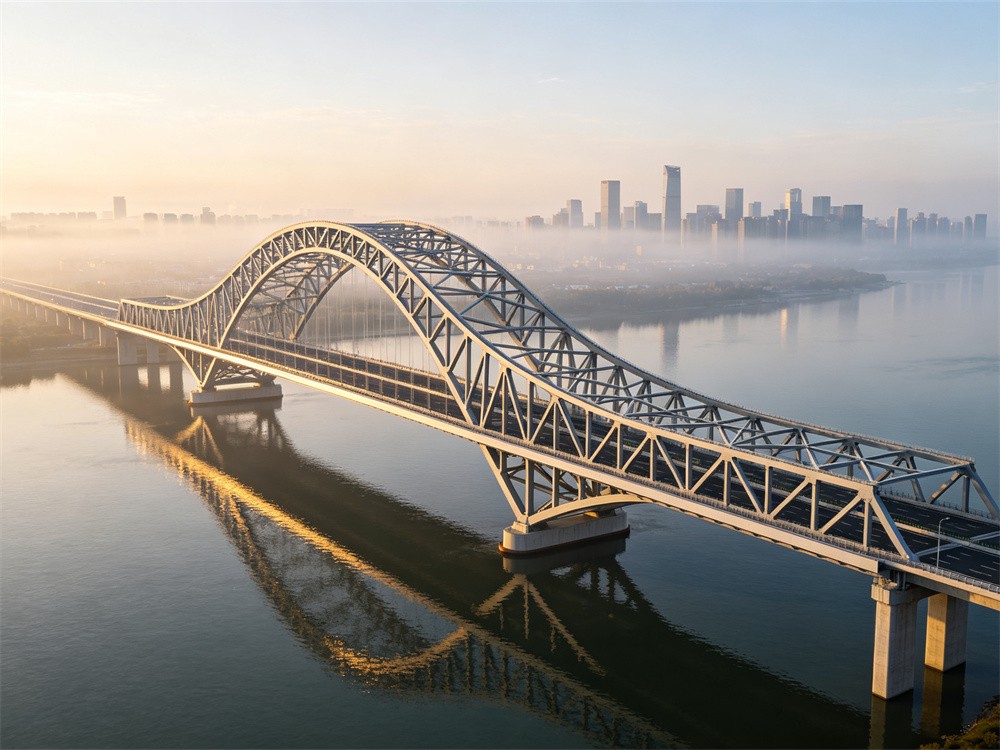
How Prefabricated Steel Buildings Support Greener Construction
In the context of the continuous promotion of the dual carbon target, prefabricated buildings have become an important direction for the transformation of the construction industry, and prefabricated steel structures are an important branch of it. Prefabricated steel structure buildings standardize the production of the vast majority of components in factories, transport them to construction sites for assembly and construction, overturn the traditional mode of large-scale cast-in-place operations on construction sites, and achieve multiple values of energy consumption reduction, pollution reduction, and efficiency improvement. They are widely used in various projects such as office buildings, apartments, public venues, and industrial buildings.
Traditional cast-in-place buildings require a large number of workers to support formwork, tie steel bars, and pour concrete on the construction site. The operation is greatly affected by rainy and snowy weather, and the construction period is uncontrollable. The construction site will generate a large amount of construction waste, with prominent dust and noise pollution. Prefabricated steel structures complete the production and processing of beams, columns, and some floor components on the factory assembly line, and only require hoisting and bolt splicing on site. Factory production is not affected by weather conditions, resulting in higher dimensional accuracy of components; The on-site operation process is streamlined, the number of construction personnel is reduced, and the construction period is significantly shortened. For projects of the same scale, the construction period of prefabricated steel structures can be shortened by nearly half compared to traditional methods.
The green advantage of prefabricated steel structures is reflected in the entire life cycle of buildings. Reduce cement, sand and gravel consumption during the construction phase and lower carbon emissions; The amount of construction waste discharge has significantly decreased. During the construction phase, various types of insulation and enclosure materials can be used to enhance the thermal insulation and sound insulation performance of the building, and reduce the energy consumption of air conditioning and heating. When the building reaches its service life, the steel components can be completely disassembled, recycled and reused without generating a large amount of solid waste, which is in line with the concept of green and low-carbon development.
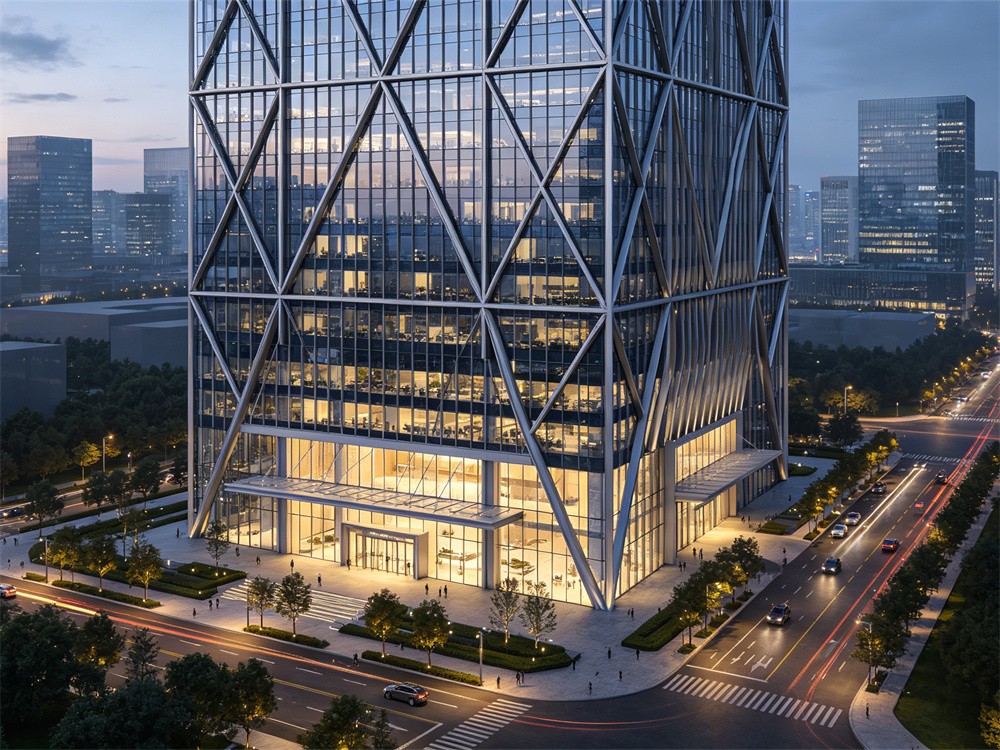
Prefabricated steel structures have excellent structural performance. Steel has high strength, light weight, and excellent seismic performance. The interior of the building can achieve large space layout, and the walls do not bear the load. The later indoor space division and renovation are very flexible. The advantages of prefabricated steel structures are particularly evident in high-rise and super high-rise projects, which can effectively reduce the overall building weight and alleviate foundation pressure. However, prefabricated steel structure projects have a high threshold for the comprehensive strength of enterprises, not just simple on-site assembly. Enterprises need to have large-scale production bases to complete standardized processing of components; The design ability should be adapted to a modular system to ensure accurate component dimensions; At the same time, a mature construction team is required to ensure the quality of on-site assembly. If the production accuracy of the components is insufficient and the design and construction coordination are disconnected, the project is prone to various problems such as installation misalignment and excessive gaps.
Many companies in the market only do construction subcontracting, and all steel components are purchased externally, making it difficult to control the production quality and delivery schedule of the components. Guangdong Hongsheng Steel Structure Group is a large-scale enterprise engaged in the production of steel structural materials and construction of steel structures, with subsidiaries both domestically and internationally. The group has its own large-scale steel structure production plant, with the ability to produce and manufacture prefabricated steel components on a large scale. The cutting, welding, and painting of components are all independently completed. Our professional prefabricated-building design team coordinates design, fabrication and construction. We undertake high-rise office buildings, public facilities, and industrial prefabricated projects domestically, while our overseas subsidiaries adapt to overseas prefabricated building standards and undertake overseas prefabricated steel structure projects, providing a complete set of on-site solutions to customers at home and abroad.
The current prefabricated steel structure industry is developing rapidly, but there are still uneven levels in the industry. If a project wants to achieve satisfactory results, it cannot only focus on the quotation. Priority should be given to whether the cooperating enterprise has the ability to independently produce components, complete project cases, and project experience at home and abroad, in order to ensure project quality and delivery cycle. In the future, with the iteration and upgrading of technology, prefabricated steel structure buildings will be popularized in more scenarios, continuously assisting the green upgrading of the construction industry.
Related Questions and Answers: Will the sound insulation effect of prefabricated steel structure buildings be relatively poor? Answer: The sound insulation of the main frame of prefabricated steel structures is limited, and the sound insulation effect mainly relies on the filling materials of floor slabs and walls. Reasonably selecting acoustic insulation wool, composite sound insulation wall panels and other supporting materials, and doing a good job in sealing the gaps between the boards, the sound insulation performance can fully meet the national building standards. If the selection of supporting materials is poor and the gap treatment is rough, insufficient sound insulation will occur.
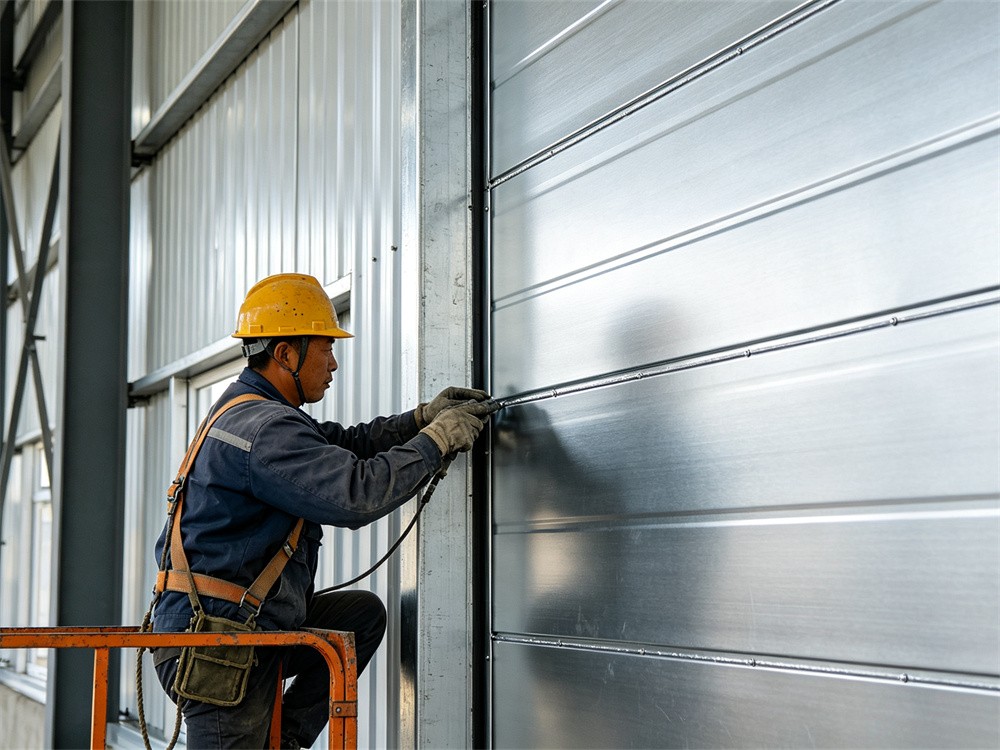
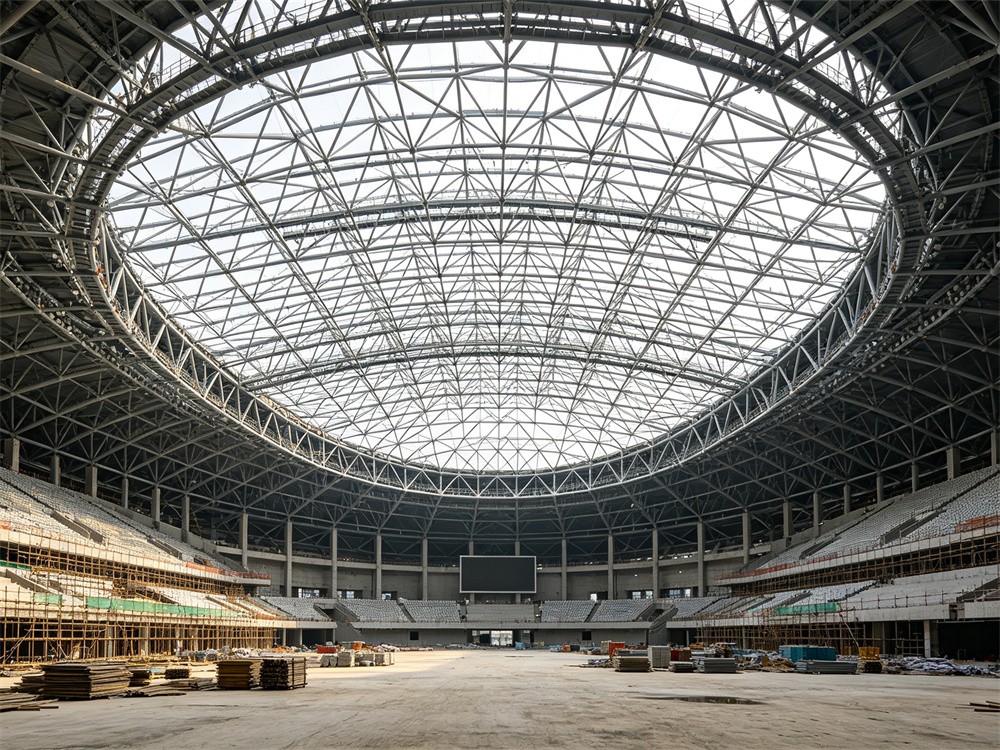
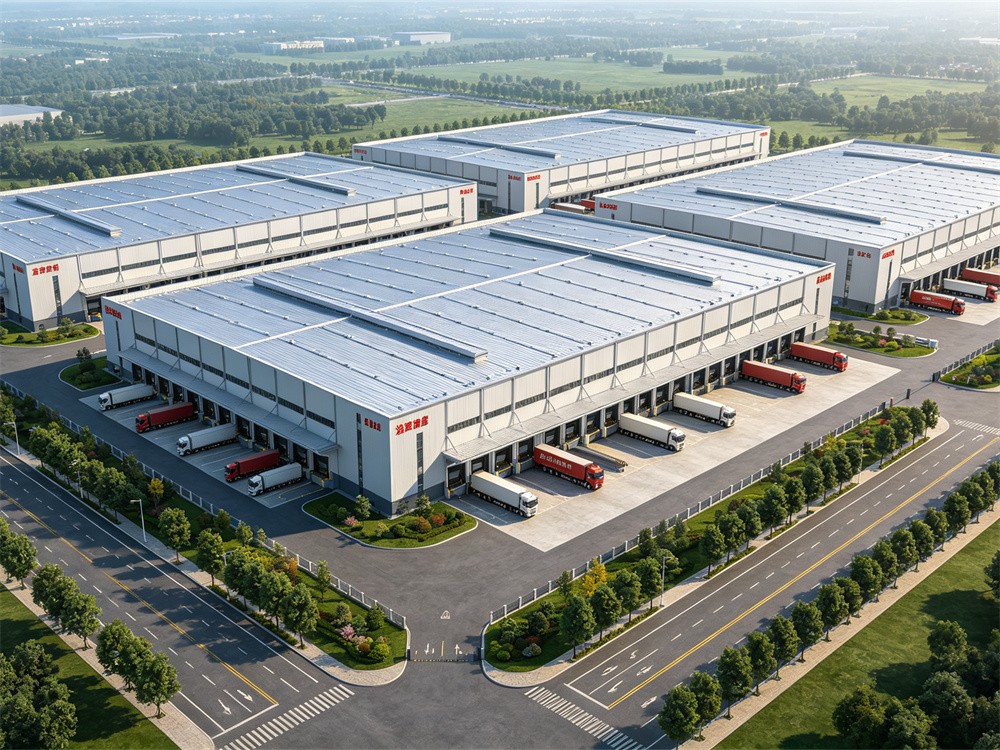
Discuss Your Project with Us
If you have questions about steel structures or would like to discuss a project, please leave your contact details.