
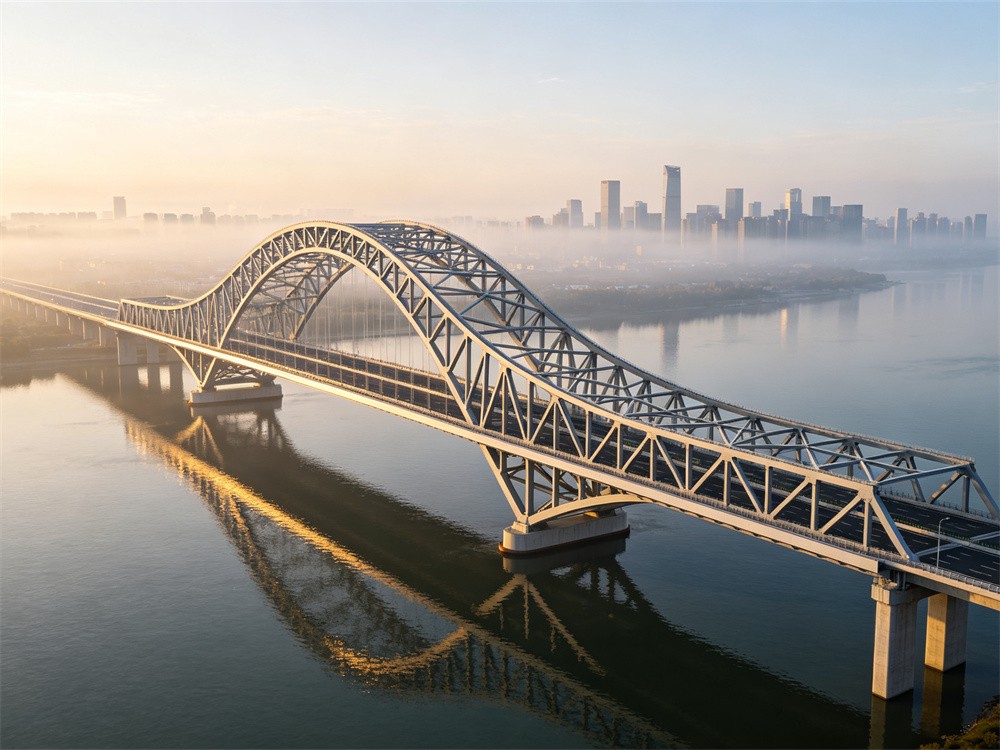
Quality Management Throughout the Life Cycle of a Structural Steel Project
The quality and service life of steel buildings depend on every stage of the project, from design and component fabrication to construction, acceptance testing, operation and maintenance. With the standardized and high-end development of the steel structure industry, extensive single link control can no longer meet the needs of modern engineering. Systematic control throughout the entire lifecycle has become the core system for ensuring the quality of steel structure engineering and the core competitive advantage of high-quality steel structure enterprises. Comprehensive full process control can avoid engineering hazards from the root, improve building safety, stability, and durability, and assist in the high-quality implementation of steel structure engineering.
The design phase is the source of full lifecycle control, determining the overall framework and core quality of the project. Many steel structure projects experience problems such as unreasonable space, structural deformation, insufficient load, and ineffective protection in the later stage, all of which are rooted in non-standard design in the early stage. Standardized design control requires a combination of geological conditions, climate environment, building use, load standards, and industry standards to carry out refined scheme design for the project site. At the same time, it is necessary to coordinate the supporting systems of fire prevention, anti-corrosion, waterproofing, insulation, earthquake resistance, etc. in advance, optimize the layout of components, node structure, and stress system, avoid various hidden dangers in later construction and use, and balance engineering safety, practicality, and economy, laying a foundation for subsequent production and construction.
The production stage of components is the core foundation of quality control, which directly determines the accuracy and strength of the steel structure body. The core components of steel structure buildings rely on factory prefabrication production, and production processes, equipment accuracy, and quality control systems are crucial. Standardized production control includes six core processes: raw material testing, precision cutting, CNC welding, rust removal and coating, size correction, and finished product testing. Strict verification of steel material, specifications, and certificates is required for the entry of raw materials to prevent the entry of inferior steel; Realize precise cutting and welding through CNC equipment to ensure uniform component dimensions; Strictly implement shot blasting rust removal and multi-layer anti-corrosion coating processes, ensure product protection, avoid transportation collision damage, and control component quality from the source.
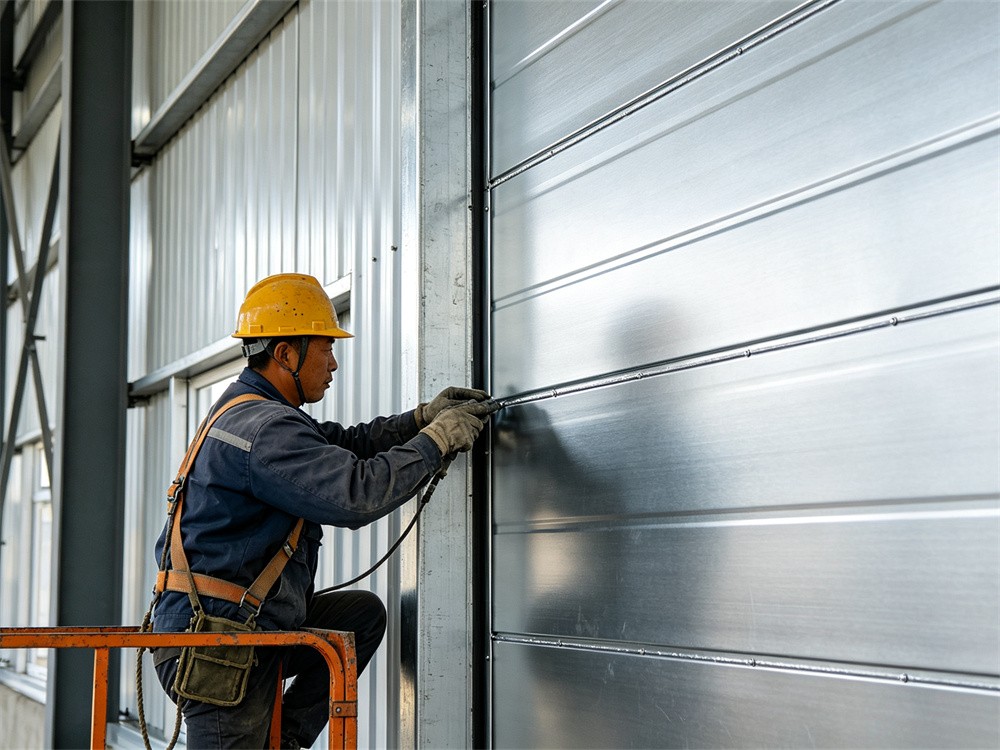
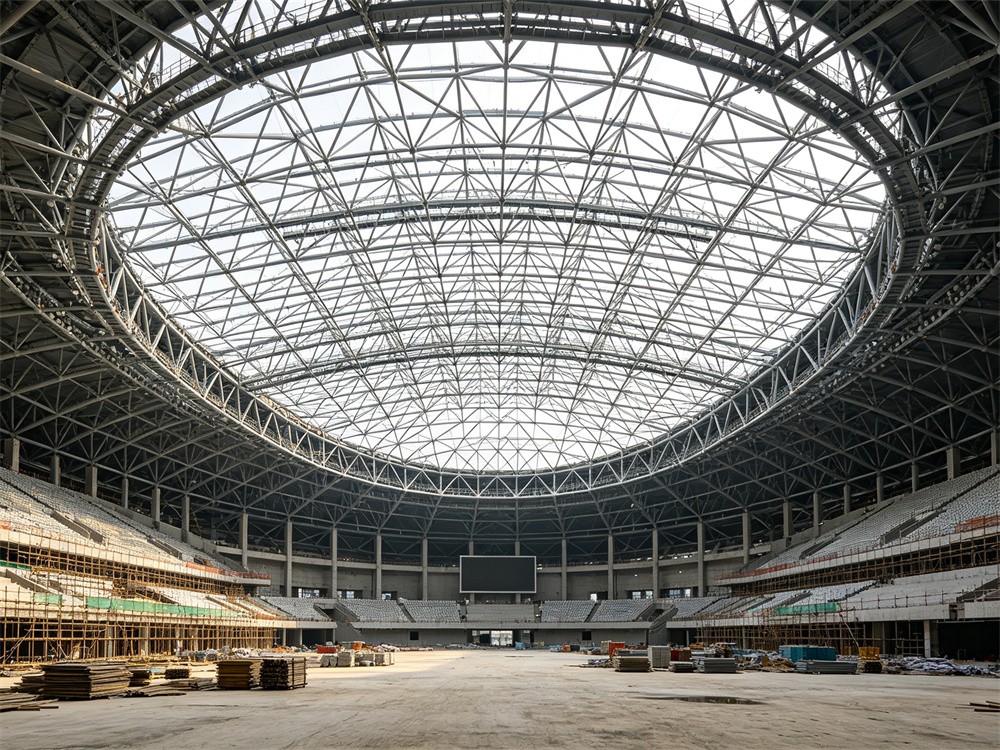
The on-site construction stage is a key link in quality implementation, and the core of control lies in standardization, refinement, and safety. Before construction, a special construction plan should be developed based on project drawings and site conditions, clarifying the construction standards for various processes such as lifting, splicing, welding, fastening, and enclosure; During the construction process, strictly follow the process flow and implement the management system of "work may proceed to the next stage only after the preceding stage has passed inspection". Focus on controlling the precision of component lifting, welding quality of nodes, tightening strength of high-strength bolts, and construction details of protective processes. At the same time, ensure safety and progress control at the construction site, and balance project quality, safety, and schedule. After the construction is completed, a comprehensive inspection and acceptance should be carried out, including structural deformation detection, non-destructive testing of welds, fire and anti-corrosion testing, waterproof testing, etc., to ensure that the project fully meets the standards.
The later stage of operation and maintenance is an important guarantee for extending the service life of buildings and ensuring long-term safety, as well as the closing core of the entire life cycle control. After the steel structure building is put into use, problems such as coating aging, bolt loosening, minor deformation, and waterproof aging may occur due to natural environment, external forces, and the passage of time. Normalized operation and maintenance control requires the establishment of a regular inspection mechanism to regularly inspect key parts such as the structural body, protective coatings, node connections, enclosure systems, and drainage systems. Aging and damaged parts should be repaired in a timely manner, loose components should be tightened, and small deformation hazards should be dealt with to prevent small problems from developing into major safety hazards and effectively extend the service life of the building.
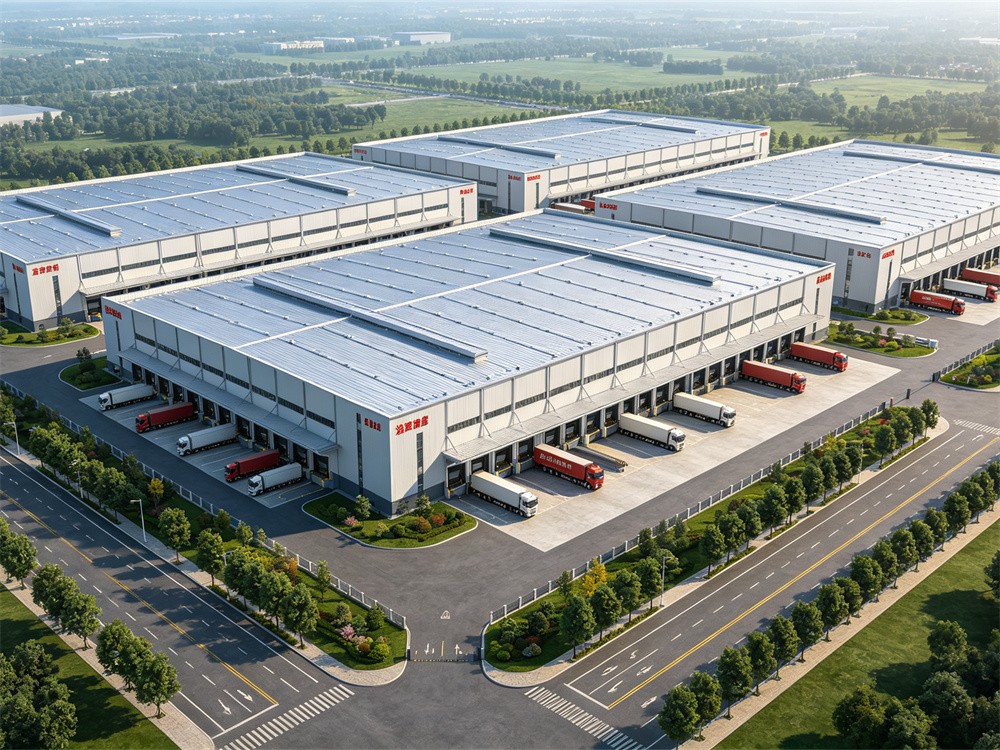
A complete full lifecycle control requires enterprises to have the ability to integrate design, production, construction, and operation throughout the entire industry chain. Most small and medium-sized enterprises only have a single construction capability and cannot achieve full process control. Hongsheng Steel Structure Group is a large-scale enterprise engaged in the production of steel structural materials and construction of steel structures, with subsidiaries both domestically and internationally. The group has established a mature steel structure engineering full life cycle control system, with a professional design and development team, standardized production base, certified construction team, and dedicated operation and maintenance team. It can achieve one-stop full process control from scheme deepening, raw material control, component precision production, on-site fine construction, comprehensive inspection and acceptance to later operation and maintenance. All types of industrial, civil, and public steel structure projects in China implement standardized control systems, relying on overseas subsidiaries to implement mature control models in overseas projects, adapting to engineering standards in different countries, and providing high-quality, reliable steel structure engineering services to customers at home and abroad.
Under the new situation of industry development, the competition in steel structure engineering has shifted from single construction price competition to quality competition throughout the entire industry chain and life cycle. Strict full process control and systematic quality upgrade strategy are the core guarantees for the long-term safety of steel structure engineering, and also the core foundation for enterprises to establish themselves in the industry and achieve sustainable development.
Related Questions and Answers
Q: In the full lifecycle control of steel structure engineering, which link is most prone to quality loopholes?
Answer: The two most vulnerable links are the details of component production and post operation and maintenance. Hidden problems such as incomplete rust removal, insufficient coating thickness, and component size deviation are prone to occur during the production stage; During the operation and maintenance phase, it is easy to overlook hidden dangers such as minor rust, loose bolts, and aging coatings. Effective source quality control and regular inspections can eliminate the vast majority of engineering quality issues.
Discuss Your Project with Us
If you have questions about steel structures or would like to discuss a project, please leave your contact details.