
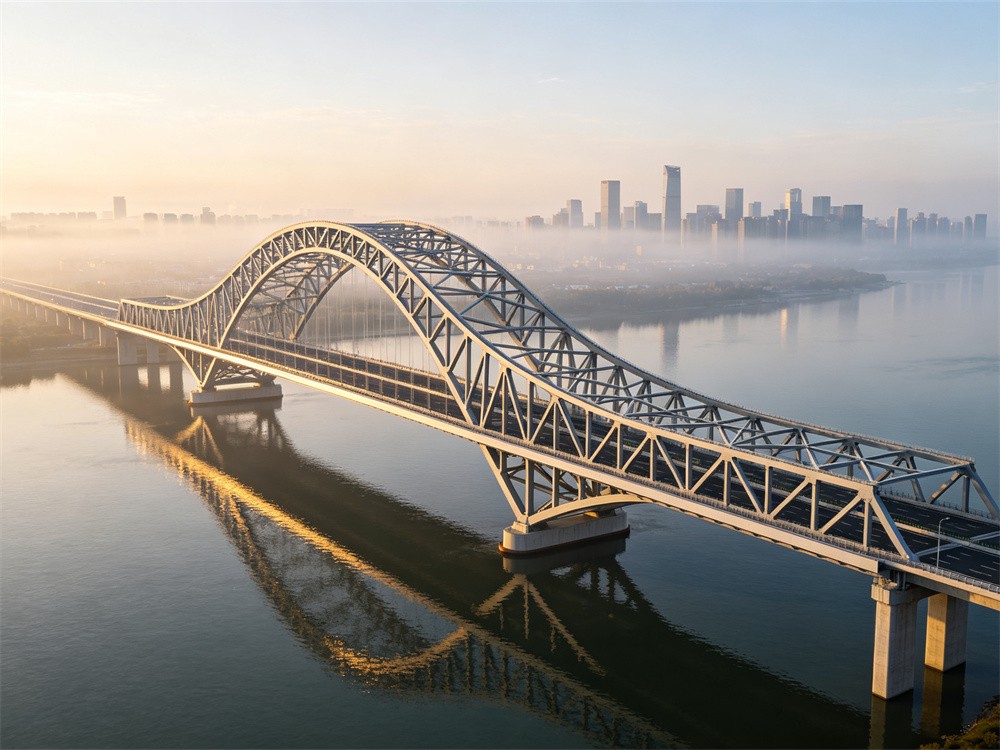
Design and Construction Control for High-Rise Steel Buildings
With the continuous acceleration of urbanization, urban land resources are becoming increasingly scarce, and high-rise and super high-rise steel structure buildings have become the mainstream form of urban landmark buildings, widely used in high-end office buildings, business apartments, urban complexes, super high-rise hotels and other scenarios. Compared to traditional concrete high-rise buildings, high-rise steel structure buildings have the advantages of lighter weight, stronger seismic resistance, faster construction speed, higher space utilization, and stronger plasticity in shape. They can perfectly meet the construction needs of modern high-end urban buildings and are an important manifestation of the level of modern urban construction.
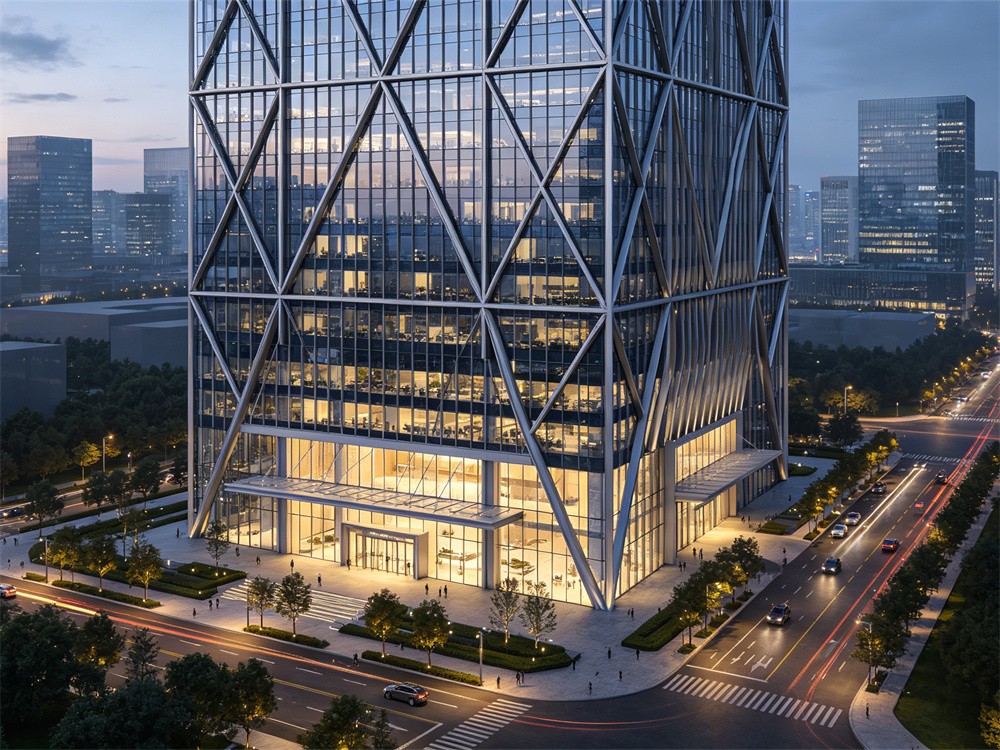
The core difficulty of high-rise steel structure buildings lies in precise control during the design phase. Ultra high buildings are greatly affected by wind loads, earthquake loads, and temperature induced deformations, and design accuracy directly determines the safety level and user experience of the building. In structural design, it is first necessary to accurately calculate the overall load and scientifically plan the specifications and layout of steel columns, steel beams, and support systems based on the building height, wind pressure in the area, seismic intensity, and geological conditions. High rise steel structures often adopt braced frame systems, tube structures, and giant frame structure systems. Through scientific structural layout, the overall stiffness, stability, and lateral displacement resistance of the building are improved, effectively resisting external impacts such as strong winds and earthquakes.
Space layout and deformation control are key highlights in the design of high-rise steel structures. Steel structure beam column components have small cross-sections and occupy less space, which can effectively increase the usable area inside the building. Combined with flexible wall partition design, they can meet the diverse spatial needs of office, commercial, residential, and other areas. At the same time, the design team needs to focus on controlling issues such as vertical deformation, temperature difference deformation, and construction settlement of the building. By reserving deformation margins, optimizing component splicing nodes, and setting expansion structures, problems such as wall cracking, component deformation, and door and window jamming in the later stages of the building can be avoided. In addition, high-rise steel structure buildings need to be synchronously equipped with fire prevention, anti-corrosion, sound insulation, thermal insulation, and lightning protection designs to achieve a dual guarantee of structural safety and comfortable use.
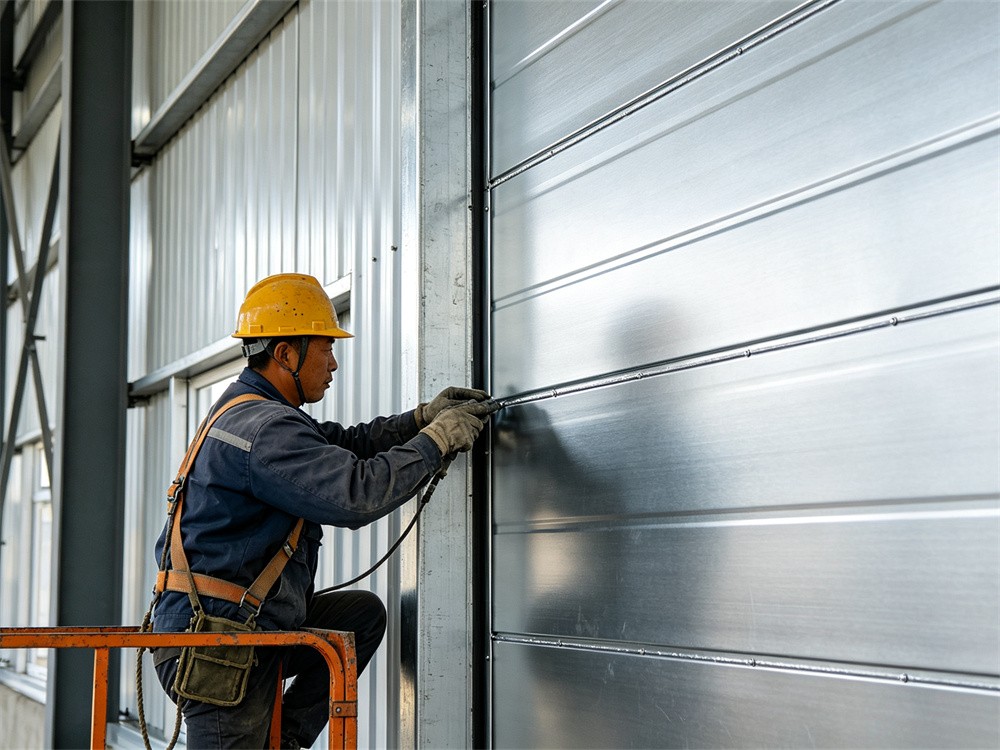
Fine control during the construction phase is the key to the landing of high-rise steel structure buildings. The construction of high-rise steel structures belongs to high-altitude high-risk operations, with complex processes and extremely high precision requirements. It has strict requirements for the technical experience, equipment configuration, and safety management system of the construction team. The core construction process includes multiple stages such as foundation embedding, steel column hoisting, steel beam splicing, node welding, bolt fastening, structural correction, and curtain wall supporting construction. Each process must strictly comply with national standards and design specifications.
Component hoisting and node construction are of utmost importance. The high-rise steel structural components are all prefabricated in the factory, and the accuracy of on-site lifting directly affects the overall structural flatness and stability. Professional lifting equipment is required during construction to accurately control the verticality, elevation, and axis position of the lifting, and to correct component deviations in real time. Node welding and high-strength bolt fastening are the core parts of structural stress, and all key welds must undergo non-destructive testing to ensure no defects such as cracks, pores, or slag inclusions; High strength bolts require the use of professional torque wrenches for construction, strictly controlling the tightening force to prevent loosening, insufficient bolt tightening, and other issues, ensuring even and stable stress distribution at the nodes.
High rise steel structure projects have high technical barriers and difficult control. Only enterprises with independent production capabilities, professional design and construction teams, and rich experience in large-scale projects can ensure project quality. Hongsheng Steel Structure Group is a large-scale enterprise engaged in the production of steel structural materials and construction of steel structures, with subsidiaries both domestically and internationally. The group has the ability to produce large-scale high-rise steel structural components on a large scale, and can independently process ultra-high strength steel columns, steel beams, and supporting components. Relying on precision machining equipment, it ensures component dimensions within specified tolerances and solves the problem of lifting adaptability from the source. At the same time, the group has a senior high-rise steel structure design team and a certified professional construction team, proficient in various high-rise and super high-rise steel structure system designs and construction processes, and can complete integrated full process services from scheme deepening, component production, on-site construction, and inspection and acceptance. Relying on the layout of domestic and overseas subsidiaries, we not only undertake domestic urban landmark and high-end commercial building projects, but also adapt to overseas high-rise building standards and implement overseas high-rise steel structure projects.
Nowadays, the construction standards for high-end urban buildings continue to upgrade, and the design and construction techniques for high-rise steel structures are also constantly iterating. Accurate structural design, refined construction control, and quality control throughout the entire process are the core of creating high-quality high-rise steel structure buildings. In the future, steel structures will continue to dominate the urban super high-rise building market and assist in the high-quality construction and development of urban landmark buildings.
Related Questions and Answers
Q: What are the specific seismic advantages of high-rise steel structure buildings compared to concrete super high-rise buildings?
Answer: Firstly, it has a lighter self weight, significantly reducing the impact force of earthquake loads; Secondly, steel has excellent toughness, can absorb and dissipate seismic energy, and is not prone to brittle collapse; Thirdly, it has good overall structural integrity, stable node connections, and is less prone to wall and main structure fragmentation and detachment during earthquakes. Its safety redundancy is much higher than that of traditional concrete high-rise buildings.
Discuss Your Project with Us
If you have questions about steel structures or would like to discuss a project, please leave your contact details.