
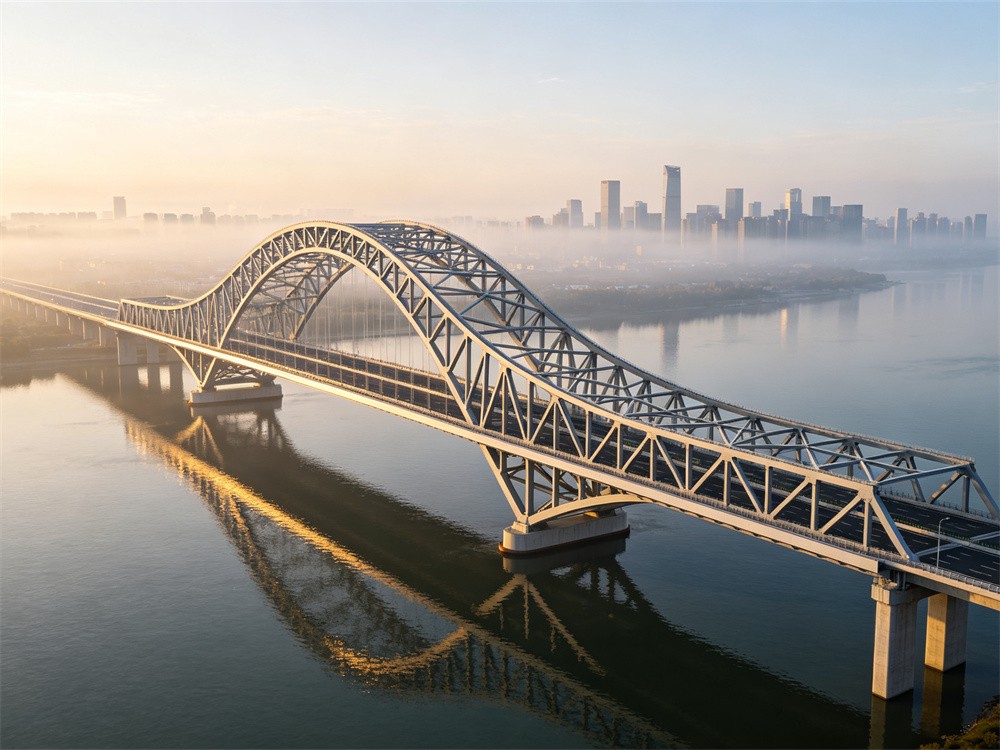
Fire Protection and Long-Term Corrosion Protection for Steel Structures
Steel structure buildings have become the mainstream choice in modern construction engineering due to their core advantages of lightweight, high strength, fast construction, and strong plasticity. However, the material characteristics of steel itself determine its two core shortcomings, namely weak fire resistance and susceptibility to corrosion and aging. Steel will quickly lose its strength and stiffness in high temperature environments, which can easily cause deformation and collapse of building structures; However, long-term exposure to natural environments, humid working conditions, and corrosive media can cause steel to continue rusting, reducing the service life of buildings and affecting structural safety. Therefore, fire prevention and anti-corrosion processes are the core links in the construction and operation of steel structure buildings, directly determining the safety, stability, and service life of the building, and are essential key processes for all steel structure engineering.
The fire prevention technology of steel structures is divided into two major systems: active fire prevention and passive fire prevention. Currently, the most widely used technology in engineering is passive fire protection technology. Passive fire prevention mainly involves coating the surface of steel components with fire-resistant coatings, wrapping them with fire-resistant boards, pouring fire-resistant concrete, and wrapping them with fire-resistant rock wool to isolate high temperatures from contact with the steel body, slow down the heating rate of the steel, ensure the structural stability of the building during the critical time of a fire, and provide sufficient time for personnel evacuation and firefighting rescue. Among them, fireproof coating construction has become the preferred process for most steel structure projects such as factories, buildings, and venues due to its strong adaptability, small self weight increment, and convenient construction.
Fireproof coatings are divided into three categories: ultra-thin, thin, and thick, suitable for different building scenarios and fire rating requirements. Ultra thin fireproof coating has a light and decorative appearance, suitable for high-rise office buildings, commercial venues and other civil steel structure buildings that require building appearance; Thin fireproof coatings balance protection and economy, and are widely used in small and medium-sized industrial plants; Thick fireproof coatings have a higher fire resistance limit and stronger thermal insulation performance, and are specifically suitable for large heavy industrial plants, warehouses, and high-risk chemical steel structure buildings, meeting high standard fire protection requirements. The coating construction must strictly follow the process of base treatment, primer application, multi-layer spraying, and static curing, to eliminate problems such as cutting corners and substandard thickness, and ensure that the fire protection effect meets the standard.
Compared to fire prevention technology, anti-corrosion protection is a normalized key task in the full life cycle operation and maintenance of steel structures, and it is also the core of extending the service life of buildings. Steel structure corrosion is mainly divided into four categories: atmospheric corrosion, rainwater corrosion, chemical corrosion, and salt spray corrosion. Conventional buildings in inland areas are mainly affected by atmospheric and rainwater corrosion, while steel structure buildings in coastal and chemical industrial parks face high-intensity salt spray and chemical corrosion, greatly increasing the difficulty of protection. Conventional anti-corrosion construction adopts a multi-layer coating system consisting of rust removal, primer, intermediate paint, and topcoat. By stacking multiple layers of coatings, it isolates air, water vapor, corrosive media, and steel from contact.
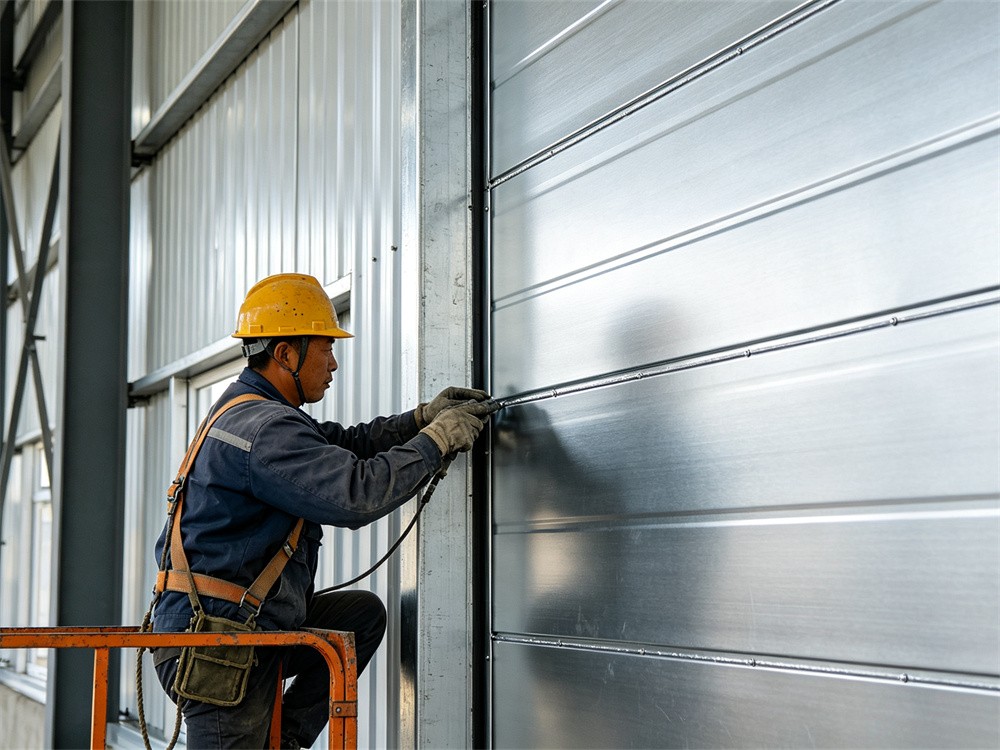
The quality of rust removal is the foundation of anti-corrosion construction and also the most easily overlooked key process. At present, the mainstream use of shot blasting and sandblasting rust removal processes can thoroughly remove the oxide scale, rust, and oil stains on the surface of steel, allowing the coating to tightly bond with the steel and avoid coating peeling, delamination and blistering in the later stage. For steel structure engineering in highly corrosive environments, strengthening processes such as hot-dip galvanizing, galvanized aluminum, and heavy-duty anti-corrosion coating will also be used to significantly enhance the corrosion resistance of steel. At the same time, detailed parts such as component welds, bolt interfaces, and corner gaps need to be reinforced with touch up coating to prevent corrosion loopholes in the details.
High quality fire and anti-corrosion engineering cannot be achieved without standardized material production and refined construction control, which are also the core competitiveness of high-quality enterprises in the industry. Hongsheng Steel Structure Group is a large-scale enterprise engaged in the production of steel structural materials and construction of steel structures, with subsidiaries both domestically and internationally. The group has a standardized component production base, which completes steel rust removal, anti-corrosion coating, fire prevention pretreatment and other processes during the factory prefabrication stage, controlling the quality of protective processes from the source and avoiding the problem of substandard processes caused by limited on-site construction environment. At the same time, the group has established a professional protection technology team, which can customize exclusive protection plans according to the climate environment, building use, fire and corrosion resistance requirements of the project location, and adapt to various complex working conditions such as inland, coastal, chemical, and high-altitude. Relying on the layout of domestic and foreign subsidiaries, we can provide full process fire and anti-corrosion construction, upgrading and renovation, and post maintenance services for various steel structure buildings at home and abroad, ensuring the safety of building structures in all aspects.
The fire and corrosion prevention of steel structures is not a one-time project, but a systematic work that runs through the entire process of building use. The standardized process during the construction phase is the foundation, and regular inspections, local touch ups, and replacement of aging coatings in the later stage are long-term guarantees. Only by controlling the quality of protection in the entire process of production, construction, and operation and maintenance can we thoroughly avoid safety hazards such as steel structure corrosion and fire failure, and ensure the long-term stable operation of steel structure buildings.
Related Questions and Answers
Q: Can steel structure fireproof coating and anti-corrosion coating be mixed for construction?
Answer: They cannot be mixed, as their functions, materials, and construction processes are completely different. The construction sequence of "anti-corrosion first, then fire prevention" should be followed. The steel substrate should be first treated with rust removal and anti-corrosion coating to form a stable anti rust protective layer. After the anticorrosion coating has cured, a compatible fire-protection coating can be applied to provide fire resistance; If the order is reversed or mixed, it will cause coating peeling and protection failure, which cannot meet engineering safety regulations.
Discuss Your Project with Us
If you have questions about steel structures or would like to discuss a project, please leave your contact details.