
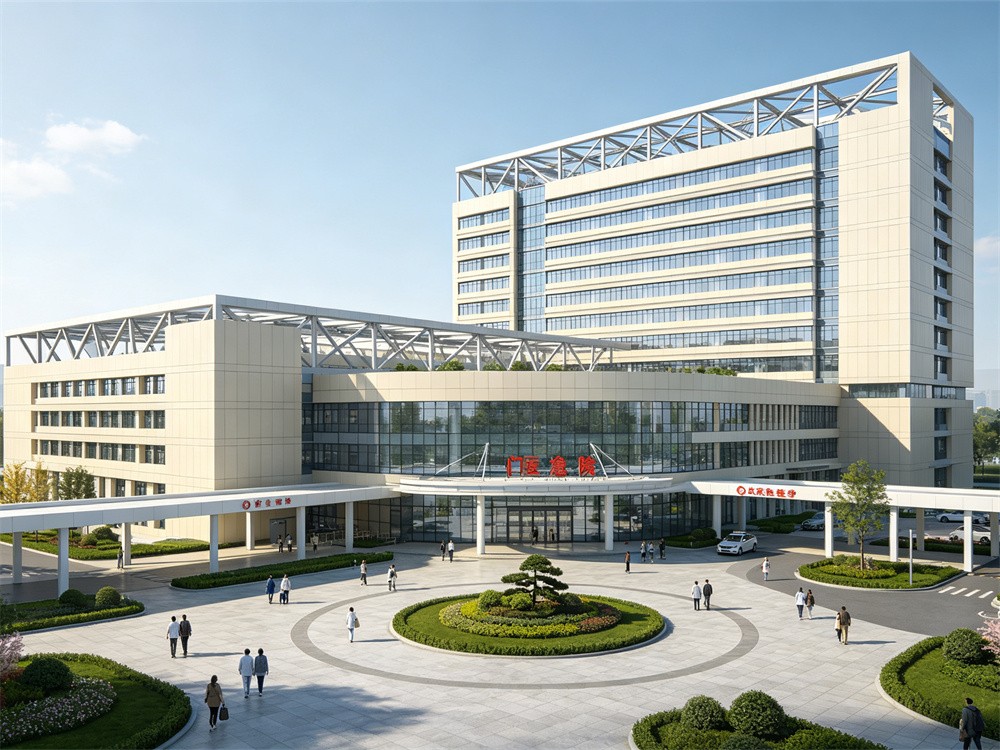
Design Challenges and Construction Methods for Irregular Steel Structures
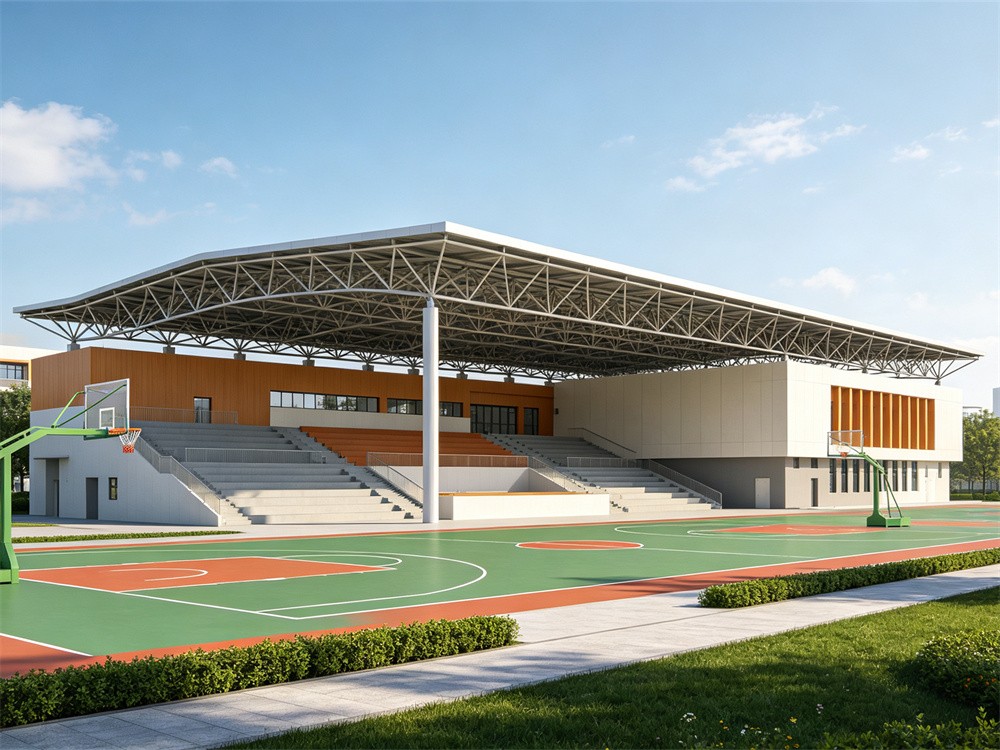
The aesthetic of modern urban architecture is constantly upgrading, and homogeneous square shaped buildings can no longer meet the construction needs of urban landmarks, cultural and tourism buildings, and commercial complexes. The distinctive shapes, flowing lines and innovative structures of irregular steel buildings have gradually become a new trend in the industry. Irregular steel structure buildings break the traditional structured form of buildings and create highly artistic architectural appearances through design techniques such as curved surfaces, arcs, tilts, overhangs, and irregular splicing. They are widely used in urban landmarks, cultural and tourism venues, art centers, commercial canopies, and irregular landscape buildings. Compared to conventional steel structure engineering, irregular steel structures have more stringent requirements for design accuracy, component processing, and on-site construction, and are the core areas that showcase the technical strength and customization capabilities of steel structure enterprises.
The biggest core difficulty of irregular steel structure buildings lies in the complexity of structural design. Conventional steel structure buildings have uniform stress distribution, regular structure, and relatively simple design calculations, while irregular buildings have a large number of curved surfaces, overhangs, asymmetric structures, uneven load distribution, and more complex stress changes caused by wind loads, temperature differences, and structural self weight, which easily lead to local stress concentration, structural deformation imbalance, and other problems. The design phase cannot rely on conventional two-dimensional design methods, but must rely on 3D modeling and BIM technology to simulate the overall structure, comprehensively calculate the force data under different working conditions, optimize component sections, node forms, and support systems, and balance structural safety and overall stability while ensuring the artistic form of the building. At the same time, the design team needs to consider the appearance effect, functional use, construction feasibility, and construction cost, in order to avoid overly complex shapes that may lead to difficulties in construction landing and increased safety hazards.
Customized processing of components is the core process of irregular steel structure engineering. Irregular buildings do not have standardized components, and the vast majority of steel beams, columns, and trusses are irregular surfaces and sizes that cannot be mass-produced on assembly lines and require one-to-one processing. In the process of component processing, CNC cutting, bending, arc polishing, irregular welding and other processes require extremely high precision. Any small dimensional deviation can lead to excessive gaps during on-site assembly, inability to connect components, distortion of overall shape, and even affect the safety of structural stress. Therefore, the processing process needs to rely on precision CNC equipment throughout the entire process, strictly processing according to the three-dimensional model data. After each irregular component is processed, pre assembly testing must be carried out to correct dimensional errors and ensure that the component accuracy fully matches the construction requirements.
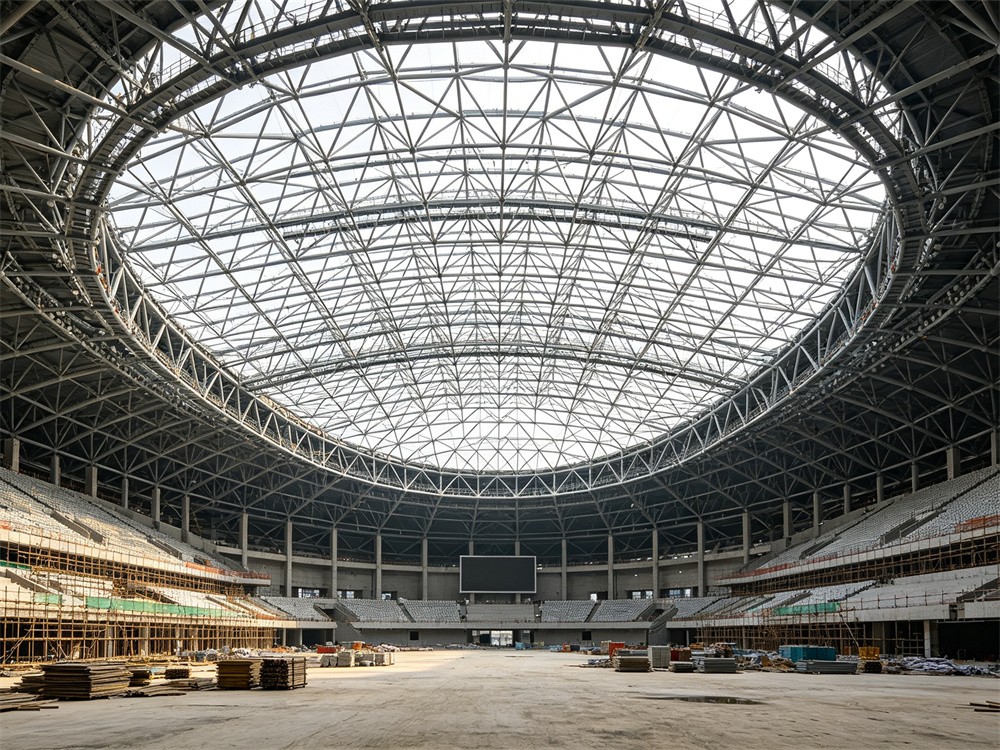
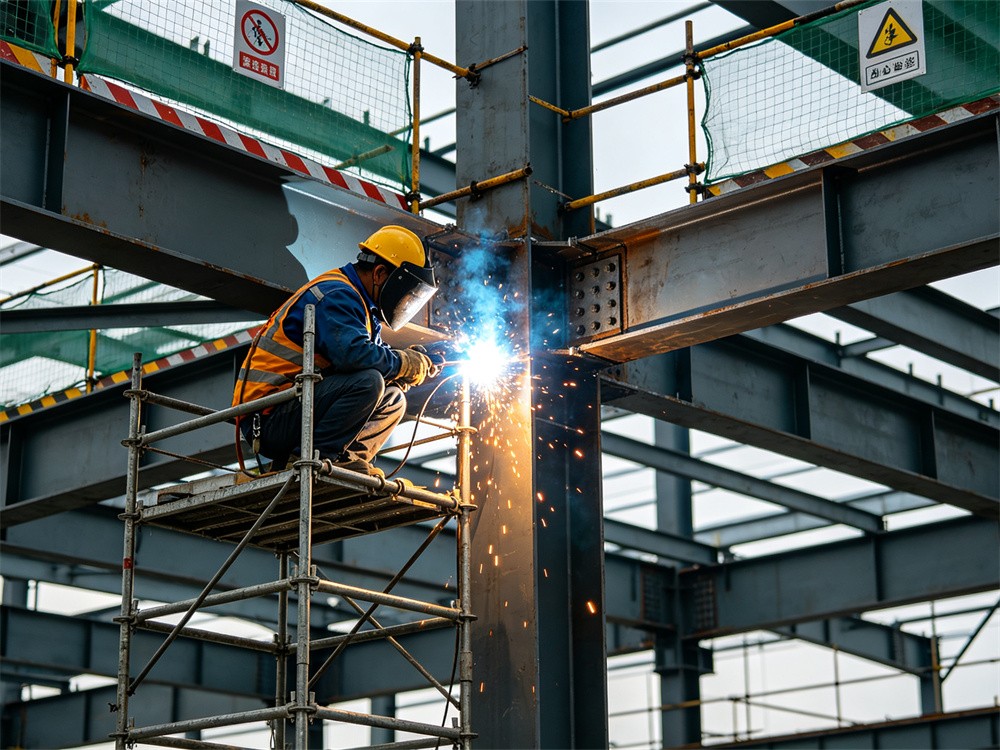
The difficulty of on-site construction and assembly control is much higher than that of ordinary steel structure engineering. Most irregular steel structures have construction scenarios such as large overhangs, curved shapes, and high-altitude irregular splicing. The lifting points are not fixed, the assembly sequence is complex, and the risk of high-altitude operations is high. There is no standardized construction process that can be applied. The construction team needs to develop specialized lifting, assembly, and calibration plans based on the architectural design and component characteristics, accurately controlling the installation angle, elevation, and docking accuracy of each component. Especially for curved structures and large-span cantilever structures, real-time monitoring of structural deformation is required during the construction process. By dynamically adjusting the assembly accuracy, the overall shape is ensured to be smooth and unified, and problems such as structural deformation and appearance distortion are eliminated. At the same time, the welding and bolt connection processes for irregular nodes are complex, requiring extremely high technical experience from construction personnel.
In addition, the protection and enclosure construction of irregular steel structure buildings is more difficult. Irregular curved roofs and curved walls place greater demands on waterproofing, anti-corrosion, insulation, and curtain wall installation processes. Conventional standardized enclosure construction processes cannot adapt to irregular structures, and targeted customized enclosure schemes are needed to finely handle curved gaps and irregular nodes to ensure that building waterproofing, insulation, and anti-corrosion performance meet standards.
Irregular steel structure engineering belongs to high-end customized engineering, which has a very high threshold for the design and development, customized production, and special construction capabilities of enterprises. Ordinary enterprises with only construction capabilities cannot complete the project landing. Hongsheng Steel Structure Group is a large-scale enterprise engaged in the production of steel structural materials and construction of steel structures, with subsidiaries both domestically and internationally. The group has a high-end customized production base for irregular steel structures, equipped with a complete set of CNC precision machining equipment, which can independently complete customized processing and pre assembly testing of various curved surfaces, overhangs, and irregular steel components, ensuring component accuracy from the source. At the same time, the group has established a professional BIM design team for irregular buildings and a senior specialized construction team, proficient in structural optimization, modeling implementation, and high-precision assembly processes for various irregular steel structures, which can solve industry pain points such as unreasonable design, difficult construction, and distorted modeling of irregular buildings. Relying on the global layout of domestic and foreign subsidiaries, we can undertake customized projects for various irregular landmarks, cultural tourism, and commercial steel structures at home and abroad, providing customers with integrated customization services from styling design, component customization, on-site construction to acceptance and delivery.
With the personalized and artistic development of urban architecture, the market demand for irregular steel structures continues to rise. Only enterprises with customized production capabilities, high-end design technology, and refined construction standards can perfectly balance the artistic sense of architecture and structural safety, and create high-quality irregular steel structure landmark buildings.
Related Questions and Answers
Q: Why is the cost of irregular steel structure buildings higher than that of ordinary steel structure buildings?
Answer: The core reason is that the entire process is customized. The design phase requires 3D modeling simulation optimization, which takes more time; Components cannot be mass-produced, and the cost of customized processing and pre assembly is higher; There is no standardized process for on-site construction, and the lifting, assembly, and enclosure processes are complex. The labor and equipment costs are higher, and the overall cost is naturally higher than that of conventional regular steel structure buildings.
Discuss Your Project with Us
If you have questions about steel structures or would like to discuss a project, please leave your contact details.