
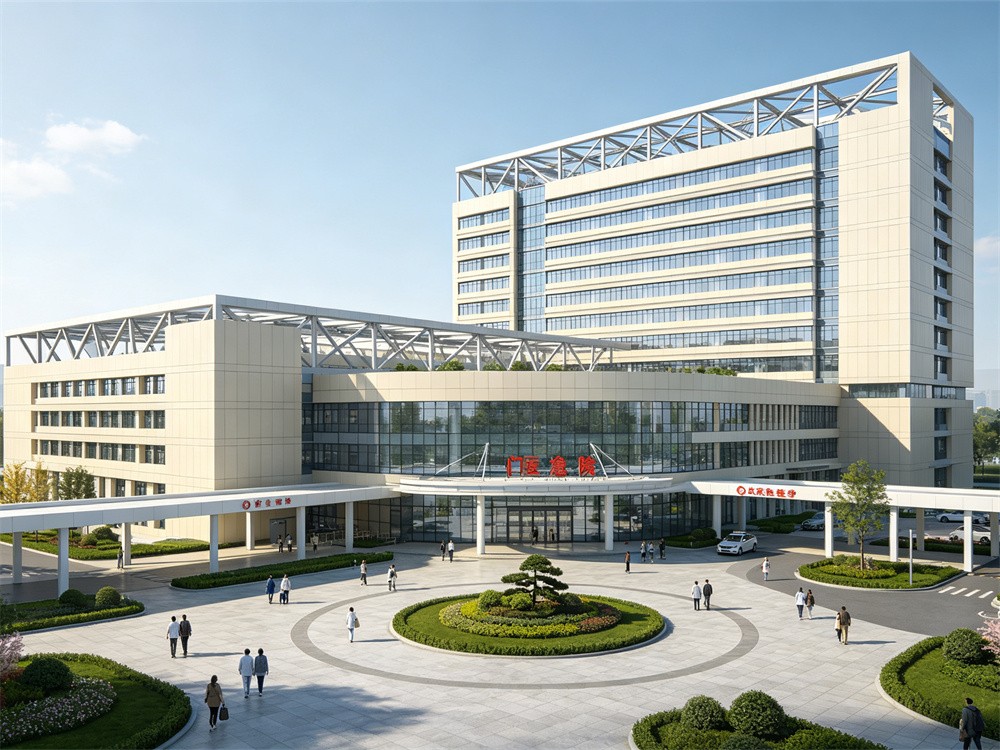
Cost Management Strategies for Structural Steel Projects
In the increasingly competitive market environment of the steel structure industry, how to achieve refined cost control while ensuring project quality, safety, and schedule is a core issue of concern for steel structure construction enterprises and project owners. The cost of steel structure engineering covers multiple dimensions such as raw material procurement, factory processing, transportation and hoisting, on-site construction, labor management, maintenance and after-sales service. Effective cost control uses careful management throughout the project to reduce waste and rework, optimize the design and balance quality with cost.
Design optimization is the source of cost control for steel structures and the most critical link in improving cost-effectiveness. Many steel structure projects have high costs due to unreasonable design schemes in the early stage, redundant component specifications, unreasonable structural layout, and excessively high-end material selection, resulting in a large amount of material waste and inflated costs. Fine tuned design control requires the design team to accurately calculate structural stress, scientifically match steel component specifications, optimize beam and column layout, simplify node structure, and select steel materials reasonably based on project purpose, load standards, and usage scenarios, while meeting safety regulations, to prevent excessive design. At the same time, optimize the construction plan in advance, reduce complex construction processes, lower the difficulty of high-altitude operations, and control construction costs and project duration costs from the source.
Raw material and factory processing control are the core foundation of cost control. Steel is the core cost component of steel structure engineering, and the procurement of raw materials requires precise calculation of the amount of materials used, combined with accurate material selection based on project dimensions, to avoid material backlog and waste caused by excessive procurement. At the same time, relying on the advantages of large-scale production, centralized procurement of steel effectively reduces the unit price of raw material procurement. During the factory processing stage, precise cutting and intelligent layout are achieved through CNC automation equipment to maximize steel utilization and reduce scrap losses; Standardized welding, painting, and processing techniques reduce the probability of component rework and scrap, and avoid cost increases caused by processing losses. Standardized finished product protection management can prevent collision and damage during component transportation and storage, reduce repair and rework costs.
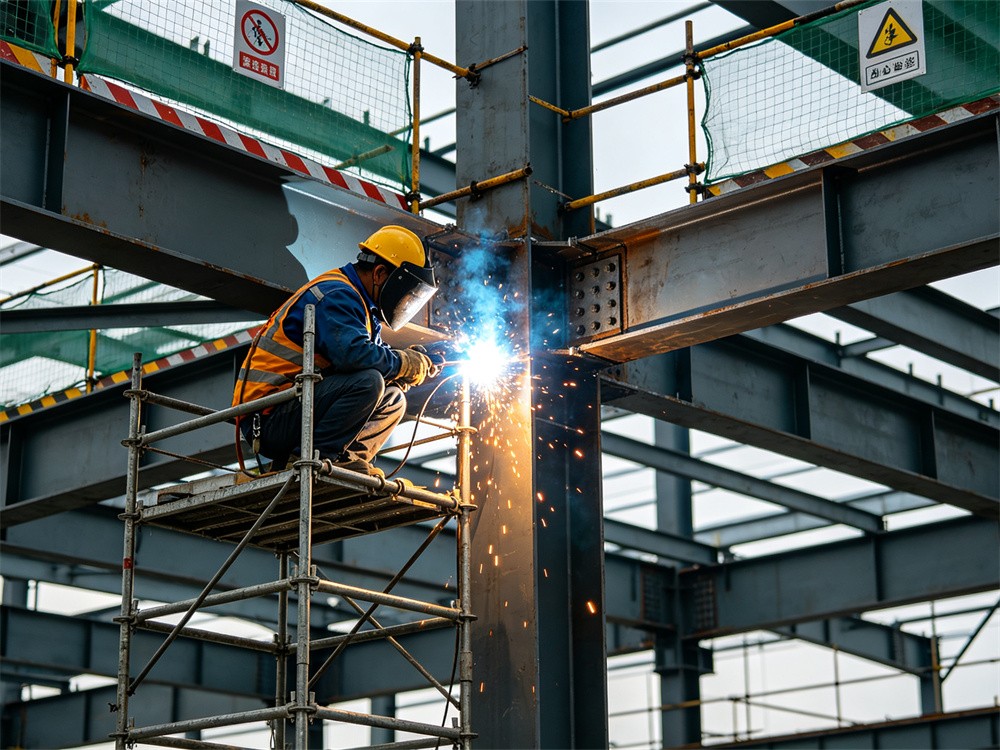
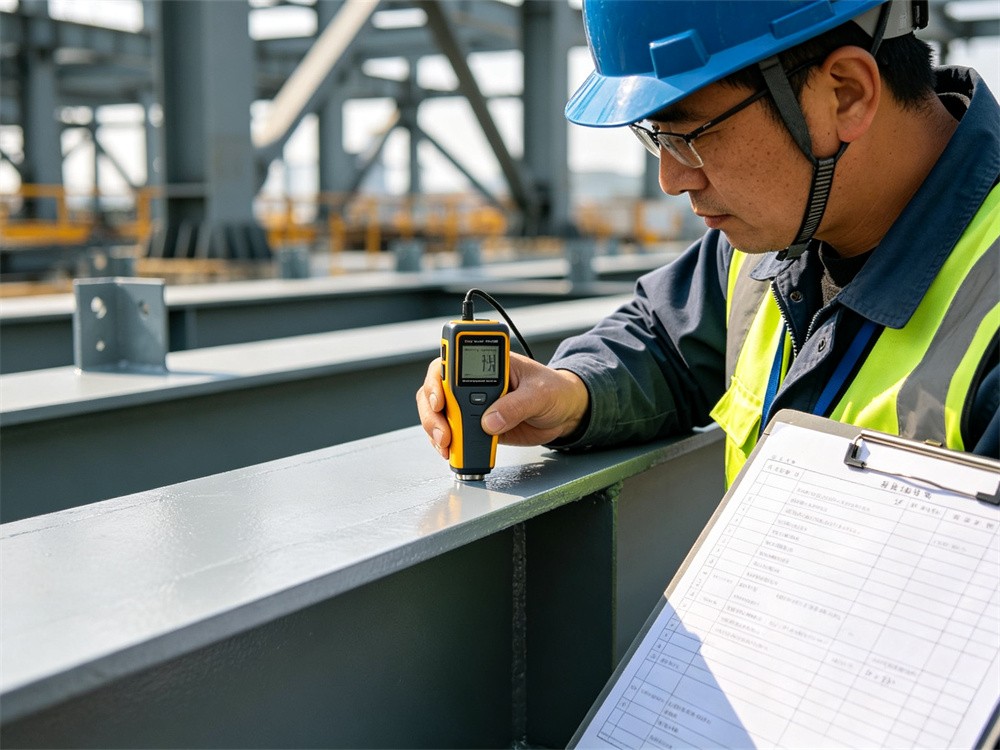
Transportation and hoisting construction control are important links in cost saving. Component transportation requires scientific planning of transportation plans based on component size, weight, and construction sequence, reasonable matching of loading, optimization of transportation routes, and reduction of transportation vehicle numbers and logistics costs. At the same time, it is necessary to protect the components in advance to avoid damage and repair during transportation. During the on-site construction phase, it is necessary to plan the construction process reasonably, allocate construction personnel and machinery equipment, and avoid wasting labor and machinery costs caused by idle equipment and idle personnel. Strictly control the construction quality, eliminate quality problems such as welding defects, installation deviations, and waterproof failures, reduce rework, repair, and rectification costs from the root, significantly improve construction efficiency, shorten the construction period, and indirectly reduce the overall operating costs of the project.
Project management and full cycle operation and maintenance control can effectively avoid hidden costs. The implicit costs of steel structure engineering mainly come from project delays, safety accidents, quality hazards, and high maintenance costs in the later stage. A sound project management system can accurately control the construction progress, implement safety control, standardize construction standards, and avoid additional expenses caused by schedule breaches and safety accidents. At the same time, standardized construction techniques can improve project quality, reduce the frequency of later failures and repairs, and lower long-term operation and maintenance costs. Compared to extensive management, refined full process control can significantly optimize the overall project cost and improve cost-effectiveness.
Systematic cost control relies on the comprehensive strength of the entire industry chain of the enterprise, and single construction link control cannot achieve optimal cost-effectiveness. Hongsheng Steel Structure Group is a large-scale enterprise engaged in the production of steel structural materials and construction of steel structures, with subsidiaries both domestically and internationally. The group has its own steel procurement channels and large-scale production bases, eliminating intermediary price differences and accurately controlling raw material and processing costs; The Group has a professional design optimization team to optimize solutions and eliminate excessive design while ensuring compliance and safety; We have a mature project management team that accurately controls the entire process of transportation, construction, schedule, and quality, minimizing resource waste and rework losses. Relying on the integrated service system at home and abroad, we can provide cost-effective, high-quality steel structure engineering services to domestic and foreign customers, achieving the optimal balance of quality, schedule, and cost.
The cost control of steel structure engineering is a comprehensive and systematic process, from the design source, production and processing, on-site construction to project operation and maintenance. Fine control of each link can effectively reduce the overall cost of the project and help it achieve high-quality, cost-effective project delivery.
Related Questions and Answers
Q: Will reducing the cost of steel structure engineering affect the safety and quality of construction?
Answer: Formal and refined cost control will not affect building safety. Cost optimization is achieved through optimizing design schemes, improving material utilization, reducing waste and rework, and streamlining intermediate processes to reduce costs, rather than lowering steel standards, reducing process steps, or weakening structural safety. On the contrary, the rework and hidden danger rectification of extensive construction will increase costs and affect quality.
Discuss Your Project with Us
If you have questions about steel structures or would like to discuss a project, please leave your contact details.